
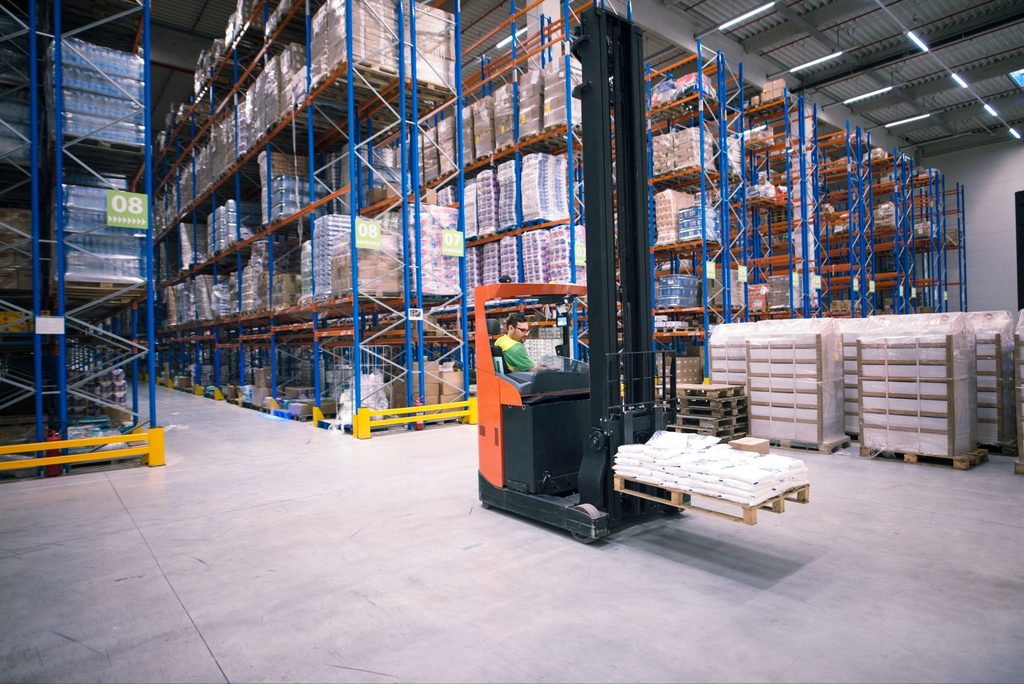
Key Considerations Before Renting a Forklift
- Renting a forklift can help businesses manage changing workloads without the upfront cost of ownership.
- The right equipment depends on load capacity, lifting height, aisle space and workplace conditions.
- A reliable rental provider should offer suitable equipment, clear agreements and maintenance support.
- Reviewing equipment usage and rental periods can help businesses manage costs and maintain efficient operations.
Finding the Right Equipment for Every Lifting Task
Forklifts play an important role in warehouses, factories, construction sites and distribution centres. They help businesses move heavy goods, load vehicles and organise stock with greater speed and control. However, not every company needs to own its equipment. Some only require extra lifting capacity during busy periods, while others need a truck for a specific project or to replace a machine undergoing repairs.
This raises a common question for business owners and operations managers: where can I rent a forklift that suits the work, budget and operating conditions? The answer depends on more than the rental rate. Equipment type, load capacity, lift height, rental duration and maintenance support all affect the suitability of an arrangement.
Choosing an established forklift supplier in Singapore can make this process easier. A supplier with a range of equipment and local service support can help businesses find suitable machinery while keeping daily operations on track.
Why Forklift Rental Can Make Business Sense
Buying a forklift involves a high upfront cost. Businesses must also account for maintenance, repairs, storage and the gradual loss of equipment value. For companies with changing workloads, these expenses may not always make sense.
Rental offers another way to secure the equipment needed for daily operations. It can provide additional capacity without requiring a major purchase. This is useful when a warehouse faces a seasonal rise in orders, a company takes on a temporary contract or an existing forklift needs servicing.
Rental periods can also suit different business needs. Short-term arrangements may cover a few days or weeks, while longer agreements can support ongoing warehouse and manufacturing operations. Some businesses may prefer monthly arrangements for seasonal demand, while others may need equipment for several years.
Before deciding, consider the following factors:
- Workload: Estimate how often the forklift will be used and how much material it must move.
- Project duration: Match the rental period to the expected length of the work.
- Capital requirements: Compare rental costs with the upfront investment and ongoing expenses of ownership.
- Maintenance support: Check what servicing and breakdown assistance the agreement includes.
A clear understanding of these needs can help prevent unnecessary costs and reduce the risk of choosing unsuitable equipment.
Matching Forklift Types to Your Workplace
Not all forklifts are designed for the same tasks. A machine that works well in a spacious loading yard may not suit a warehouse with narrow aisles or limited manoeuvring space. Businesses should consider their operating environment before requesting a rental quote.
Electric forklifts are often suitable for indoor operations. They produce no tailpipe emissions during use and generally operate with less noise than engine-powered alternatives. However, businesses should consider battery capacity, charging arrangements and the expected length of each shift.
Engine-powered forklifts may suit outdoor work or demanding applications where the operating conditions require them. Their suitability depends on factors such as the surface, ventilation, load requirements and site conditions.
Other types of material handling equipment serve more specific purposes. Reach trucks, for example, are designed for warehouse storage tasks where operators need to access goods at height. Pallet trucks and electric pallet jacks help move palletised loads across shorter distances, especially within storage and dispatch areas.
When comparing equipment, pay attention to:
- Load capacity: The truck must safely handle the weight of the goods.
- Lift height: Check whether the mast can reach the required storage levels.
- Aisle width: Ensure the equipment can manoeuvre within the available space.
- Floor conditions: Consider slopes, surface quality and indoor or outdoor use.
- Power source: Choose an option that suits the working environment and charging or refuelling facilities.
These details give a forklift supplier in Singapore a clearer picture of the equipment required.
What to Look for in a Forklift Rental Provider
Knowing where I can rent a forklift is only the first step. Businesses should also assess the provider’s equipment range, maintenance arrangements and ability to respond when problems arise.
A reliable supplier should ask about the intended application, load capacity, lift height and rental period before recommending a machine. This helps ensure the equipment matches the work rather than relying on a general recommendation.
Maintenance support is another important consideration. A mechanical issue can delay deliveries, interrupt production and affect other parts of a warehouse operation. Ask whether scheduled servicing is included, how breakdown requests are handled and whether a replacement unit may be available if repairs take time.
It is also worth reviewing the rental agreement carefully. Check the base rate, delivery arrangements, collection fees and any possible fuel or energy surcharges. Ask for a clear breakdown of charges before signing so that the business can plan its operating costs.
Operator safety should remain a priority. Forklifts require trained operators, and businesses must ensure that staff meet the relevant training and safety requirements in Singapore. Equipment condition, operator access and regular inspections also contribute to safer working conditions.
Planning Rental Periods and Managing Equipment Costs
The right rental arrangement should reflect how a business uses its equipment. A short-term rental may be suitable when demand rises unexpectedly or an existing truck breaks down. A longer agreement may make more sense when a company needs a consistent fleet but wants to avoid tying up capital in equipment purchases.
Businesses should also review how often each machine is used. A forklift that spends much of its time idle may not justify a long rental period. On the other hand, a truck that operates throughout every shift may need a more stable arrangement with suitable maintenance support.
Fleet management can help companies understand these patterns. By reviewing equipment use, downtime, repairs and operator activity, managers can identify where resources are being wasted and whether the current fleet meets operational needs.
This information can also guide future decisions. A company may discover that it needs another forklift during peak periods but can manage quieter months with fewer machines. Another may find that changing the equipment type could improve movement through its warehouse.
Working with a forklift supplier in Singapore that understands rental and fleet requirements can help businesses assess these needs over time. The aim is to keep equipment available when required while managing the costs associated with its use.
Making a More Informed Forklift Rental Decision
Forklift rental gives businesses flexibility when they need additional lifting capacity without committing to an outright purchase. However, a suitable arrangement depends on choosing the right machine, setting a realistic rental period and understanding the support included in the agreement.
For businesses asking where to rent a forklift in Singapore, Hyster Yale Lift Trucks Singapore offers short-term and long-term rental arrangements for different material handling needs. Its rental range includes electric and engine-powered forklifts, reach trucks, and manual or electric pallet jacks. Rental support also covers pre-rental inspections, scheduled maintenance and breakdown assistance.
Contact Hyster Yale Lift Trucks Singapore to discuss your workplace requirements, compare suitable equipment and request a rental quotation. A clear assessment of your lifting needs can help you secure the right equipment for your operation.

More Stories
Honda Vezel Hybrid or Brand-New Honda Odyssey? 6 Differences
Two Nearly Identical Listings Can Still Be Worth Very Different Amounts
Why Mercedes-Benz Diagnostics Differ Across Car Generations