
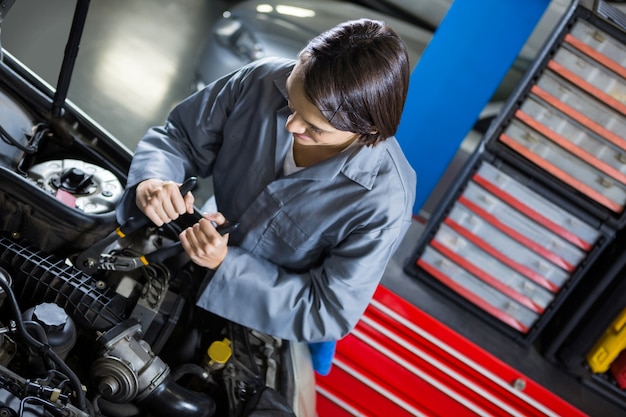
Artificial intelligence (AI) is no longer a futuristic concept relegated to science fiction; it has firmly taken root in the automotive industry, bringing about groundbreaking changes. As technology advances at a dizzying pace, the impact of artificial intelligence on cars is profound, influencing everything from design and manufacturing to driving experiences and safety features. With AI at the helm, the automotive landscape is evolving, and the future looks remarkably promising.
Enhancing Safety Through AI
One of the most significant areas where AI is revolutionizing the automotive industry is in safety systems. Advanced Driver Assistance Systems (ADAS) utilize machine learning algorithms and sensor data to enhance vehicle safety. Features such as automatic emergency braking, adaptive cruise control, and lane-keeping assistance are now common in many modern vehicles.
- Real-Time Analysis: AI systems can analyze vast amounts of data in real time, detecting potential hazards before a human driver might notice them. For instance, if a pedestrian suddenly steps into the road, AI can trigger an immediate response, applying brakes and averting potential collisions.
- Predictive Maintenance: AI algorithms can monitor vehicle health by analyzing sensor data and predicting potential failures. This proactive approach allows drivers to address issues before they become serious, significantly enhancing safety.
Through these innovations, AI is ensuring that vehicles are not only more efficient but also significantly safer, protecting both drivers and pedestrians alike.
Streamlining Manufacturing Processes
The automotive industry has long been synonymous with assembly lines and mass production. With the advent of AI, these processes are becoming even more efficient. By integrating AI into manufacturing, companies can optimize production schedules, improve supply chain logistics, and enhance quality control.
- Smart Robotics: Automated systems in vehicles and factories are becoming increasingly sophisticated. Robots equipped with AI can perform complex tasks with incredible precision, such as welding, painting, and assembling components. This not only increases production efficiency but also reduces the likelihood of human error.
- Data-Driven Decisions: AI can analyze production data to identify bottlenecks or inefficiencies in the manufacturing process. By employing predictive analytics, companies can anticipate demand and adjust their production schedules accordingly, ensuring that they meet consumer needs without overproducing.
These advancements signify a transformative shift in how vehicles are built, allowing manufacturers to create higher quality products while reducing waste and costs.
Personalizing the Driving Experience
As technology becomes more integrated into daily life, drivers are seeking more personalized experiences. AI is stepping up to the plate by tailoring features to individual preferences and behaviors, making each journey unique.
- In-Car Assistants: Intelligent voice recognition systems are now a staple in modern vehicles. These AI-driven assistants can control navigation, music, and even climate settings, all based on natural language commands. Imagine a system that learns your favorite routes and playlists, making your drive not just easier but more enjoyable.
- Predictive Features: AI can analyze driving habits and preferences, suggesting routes that align with a driver’s style. Whether it’s a preference for scenic drives or the fastest routes, these personalized recommendations create a tailored driving experience.
By enhancing the personal connection between the driver and the vehicle, AI is making every trip not just a necessity but a pleasure.
Pioneering Autonomous Vehicles
Perhaps the most ambitious application of AI in the automotive industry is the development of autonomous vehicles. While fully self-driving cars are still on the horizon, significant strides are being made in this area.
- Sensor Fusion: Autonomous vehicles utilize a combination of radar, lidar, and cameras to navigate their surroundings. AI algorithms process this sensory data to create a comprehensive understanding of the vehicle’s environment, enabling safe navigation through complex scenarios.
- Machine Learning: As autonomous vehicles encounter various driving conditions, they learn and adapt. This continuous learning process enhances their ability to make decisions in real-time, paving the way for safer and more reliable self-driving technology.
The future of AI in transportation is undeniably intertwined with the evolution of autonomous vehicles. As technology matures, the dream of seamless, driverless journeys may soon become a reality.
Reducing Environmental Impact
In a world increasingly concerned about climate change, AI is helping the automotive industry address environmental challenges. From optimizing fuel efficiency to enhancing the performance of electric vehicles, AI plays a crucial role in creating greener transportation solutions.
- Smart Routing: AI algorithms can analyze traffic patterns and recommend optimal routes, reducing fuel consumption and emissions. This not only benefits individual drivers but also contributes to cleaner air in urban environments.
- Battery Management: For electric vehicles, AI can optimize battery usage, prolonging lifespan and improving efficiency. By analyzing driving patterns, AI can suggest charging times and locations, enhancing the overall electric vehicle experience.
Through these innovations, AI is contributing to a more sustainable future, aligning with global efforts to combat climate change and reduce reliance on fossil fuels.
Conclusion
The impact of artificial intelligence on cars is profound and multifaceted, fundamentally changing how vehicles are designed, manufactured, and driven. From enhancing safety and streamlining production to personalizing the driving experience and paving the way for autonomous vehicles, AI is at the forefront of a transformative revolution in the automotive industry. As technology continues to advance, the potential for AI in transportation is limitless, promising a future where cars are not only smarter but also safer and more environmentally friendly. Buckle up and get ready for a thrilling ride into the future of automotive innovation!


More Stories
Revving Up the Future: How Cutting-Edge Innovations Are Steering the Car Industry into Uncharted Territory
Revving Up the Future: How Tomorrow’s Cars Will Drive Us Wild
Revolutionizing the Road: How AI and Robotics are Reshaping the Car Industry