
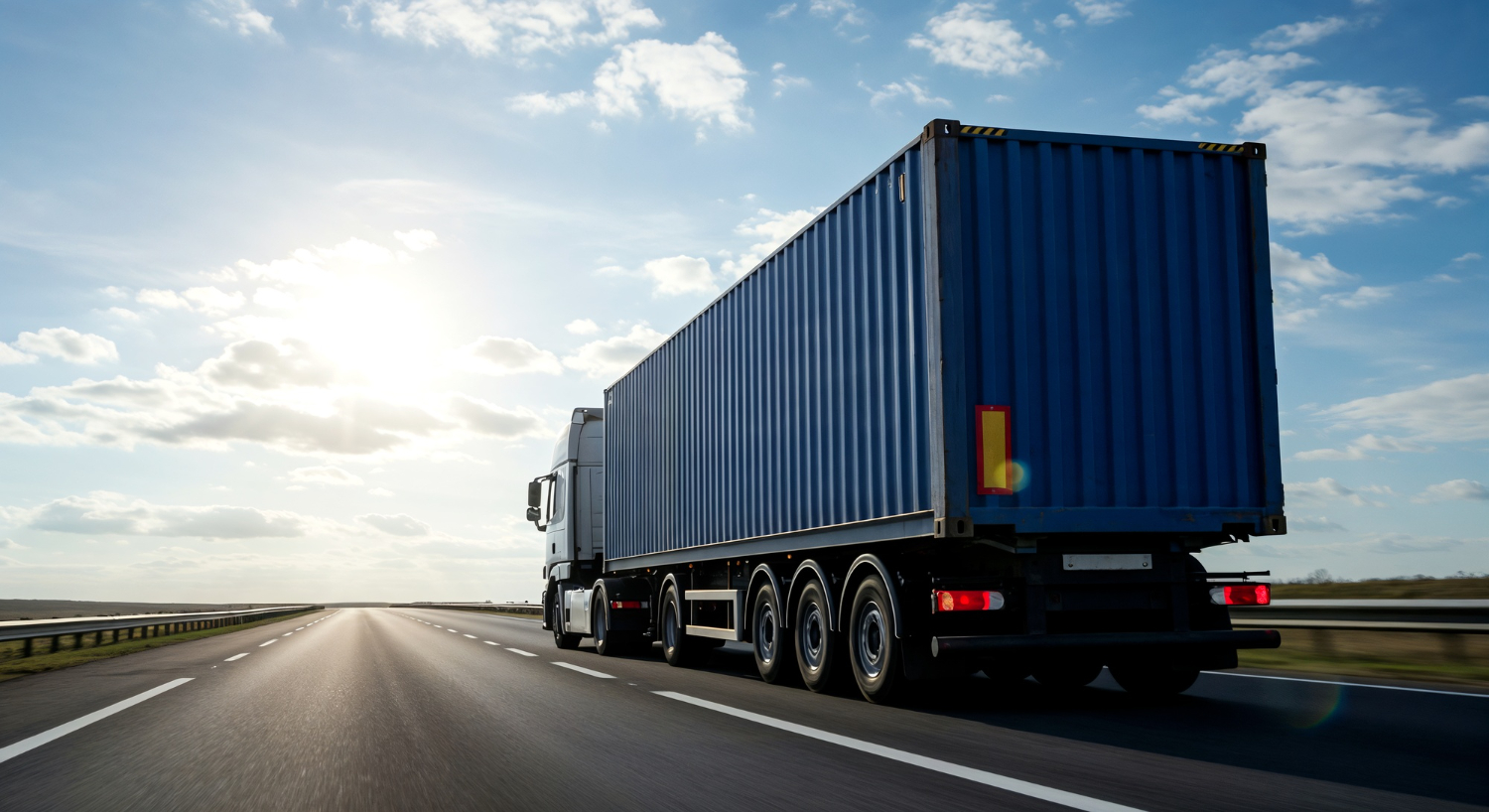
Cargo trailers are essential tools for transporting goods, equipment, and materials efficiently. Whether used for business, recreation, or personal projects, maintaining cargo trailers is crucial to ensure safety, reliability, and longevity. Proper maintenance not only prevents costly repairs but also maximizes performance, allowing owners to make the most of their investment. Understanding the key aspects of cargo trailer upkeep can help owners keep their trailers in top condition for years to come.
Regular Inspection and Cleaning
One of the most fundamental steps in maintaining cargo trailers is regular inspection and cleaning. Frequent checks help identify wear and tear, corrosion, and potential mechanical issues before they become serious problems. Owners should examine the trailer frame, hitch, tires, lights, and brakes to ensure everything is functioning properly. Spotting rust, loose bolts, or damaged components early can prevent accidents and extend the lifespan of the trailer.
Cleaning is equally important in trailer maintenance. Dirt, salt, and debris can accumulate on the exterior and undercarriage, leading to corrosion and structural damage over time. Washing cargo trailers regularly, particularly after exposure to harsh weather or road salt, helps protect the metal and maintain its appearance. In addition, cleaning the interior prevents damage to transported goods and reduces the risk of mold or mildew in enclosed spaces.
Routine inspections should also include checking the trailer’s suspension, axles, and wheel bearings. Ensuring these components are properly lubricated and free of damage maintains smooth operation and reduces stress on the trailer during transport. By incorporating inspection and cleaning into a regular maintenance schedule, cargo trailer owners can prevent small issues from escalating and ensure consistent performance.
Tire and Brake Maintenance
Tires and brakes are critical components that directly affect the safety and efficiency of cargo trailers. Maintaining proper tire pressure is essential to avoid uneven wear, improve fuel efficiency, and prevent blowouts. Cargo trailer owners should check tire pressure before every trip and adjust it according to the manufacturer’s specifications. Rotating tires periodically ensures even wear and extends their lifespan.
Brake maintenance is equally important for safe operation. Cargo trailers equipped with electric or hydraulic brakes require regular inspection and adjustment to ensure proper functionality. Worn brake pads, loose connections, or damaged brake lines can compromise safety and lead to costly repairs. Testing the brakes before each trip and addressing any irregularities promptly keeps the trailer reliable and reduces the risk of accidents on the road.
In addition to routine checks, owners should consider seasonal maintenance for tires and brakes. Cold weather can affect tire pressure, and winter roads may introduce corrosive materials that impact brake performance. Proper storage, winterizing components, and using high-quality lubricants are effective strategies to protect these critical systems and maintain peak functionality throughout the year.
Lubrication and Electrical System Care
Lubrication plays a vital role in maintaining cargo trailers, particularly for moving parts such as hinges, couplers, and suspension components. Applying appropriate lubricants reduces friction, prevents wear, and ensures smooth operation. Trailer owners should consult the manufacturer’s guidelines to identify recommended lubricants and frequency of application, ensuring optimal protection for each component.
The electrical system of a cargo trailer is another area that requires consistent attention. Lights, wiring, and connectors should be inspected regularly for signs of corrosion, damage, or loose connections. Properly functioning electrical systems are essential for safe operation, especially for braking signals, turn signals, and marker lights. Addressing electrical issues promptly prevents safety hazards and ensures compliance with road regulations.
Regularly checking the trailer’s battery, if applicable, and ensuring that all connections are secure helps maintain reliable operation for powered components. Trailer owners should also consider protecting electrical systems from moisture, debris, and extreme temperatures, which can cause shorts or malfunctions. By keeping both mechanical and electrical systems in top condition, cargo trailers remain safe, efficient, and ready for use at all times.
Proper Storage and Seasonal Considerations
How cargo trailers are stored significantly impacts their longevity and performance. Proper storage protects the trailer from environmental damage, rust, and structural degradation. When not in use, trailers should be kept in a covered area or equipped with high-quality covers that shield them from rain, snow, and UV exposure. Adequate ventilation prevents moisture buildup, reducing the risk of mold and corrosion.
Seasonal considerations also play a role in trailer maintenance. During winter months, trailers may be exposed to harsh conditions that accelerate wear on tires, brakes, and metal surfaces. Owners should winterize trailers by lubricating moving parts, checking tire pressure, and ensuring electrical systems are protected from cold and moisture. In warmer months, attention to sun exposure, hydration of rubber components, and cleaning of dust and debris ensures continued performance.
Proper storage and seasonal preparation help maintain the structural integrity of cargo trailers and prevent premature deterioration. Owners who invest time in these practices can enjoy reliable performance, lower repair costs, and an extended lifespan for their trailers, regardless of weather or usage patterns.
Routine maintenance should also include documentation of inspections, repairs, and service intervals. Keeping detailed records allows owners to track wear and anticipate future maintenance needs. This proactive approach reduces the likelihood of unexpected breakdowns and ensures that cargo trailers remain in optimal condition, ready to meet transportation demands whenever needed.
Regularly assessing the trailer’s load capacity and adhering to recommended weight limits are additional measures that enhance longevity and performance. Overloading a trailer places undue stress on the frame, suspension, tires, and brakes, accelerating wear and increasing the risk of accidents. A careful balance between cargo weight and trailer capacity ensures safe, efficient operation while preserving structural integrity.
Maintaining cargo trailers is a comprehensive process that involves attention to mechanical, electrical, and structural components. By combining regular inspections, cleaning, tire and brake care, lubrication, and proper storage, trailer owners can maximize both safety and performance. Seasonal considerations, weight management, and careful monitoring further enhance durability, ensuring that cargo trailers remain reliable for years of consistent use.
Proper maintenance also fosters peace of mind for trailer owners. Knowing that the trailer is in optimal condition allows for stress-free transportation of goods, whether for business deliveries, recreational equipment, or personal projects. By investing in preventive care, cargo trailer owners reduce the likelihood of downtime, costly repairs, and safety incidents, making their investment more productive and dependable.
The longevity and performance of cargo trailers depend on a combination of proactive care, attention to detail, and adherence to manufacturer guidelines. Regular inspections, routine maintenance, and seasonal preparations create a solid foundation for safe and efficient operation. Owners who prioritize upkeep can enjoy a reliable trailer that performs consistently, supports their transportation needs, and delivers long-term value for both personal and professional use.


More Stories
Rev Up Your Knowledge: The Ultimate Info Auto Guide for Every Gearhead
The Hidden Truths Behind Your Car’s Dashboard
Unlocking the Future: The Ultimate Guide to Info Auto Revolution